Roof Cleaning for Eastbourne's Bungalows and 1930s Semis
Not every Eastbourne home is a grand Victorian villa or a modern harbour townhouse. A great deal of the town's housing sits in between: comfortable 1930s semis and the many bungalows that make Eastbourne such a popular place to settle, particularly for those looking for a home on one level near the sea. These properties have their own roofing characteristics and their own care needs, shaped both by their age and by Eastbourne's coastal position. This detailed guide looks at how to keep the roofs of the town's bungalows and interwar semis clean, clear, and sound.
The quick answer: Eastbourne's 1930s semis and bungalows typically have clay or early concrete tiles that reward gentle, low-pressure cleaning. Bungalows are lower and easier to reach but often sit in mature, shaded gardens that encourage moss, while coastal salt and wind affect both. Regular soft washing keeps these roofs clear without harming the tiles.
1. The Character of These Homes
The 1930s were a period of steady housebuilding across seaside towns like Eastbourne, and the semi-detached homes of that era are a familiar sight across the town, often with characterful tiled roofs, bay windows, and generous gardens. Bungalows, meanwhile, have long been popular in Eastbourne, valued by those who want single-storey living within reach of the seafront and the Downs.
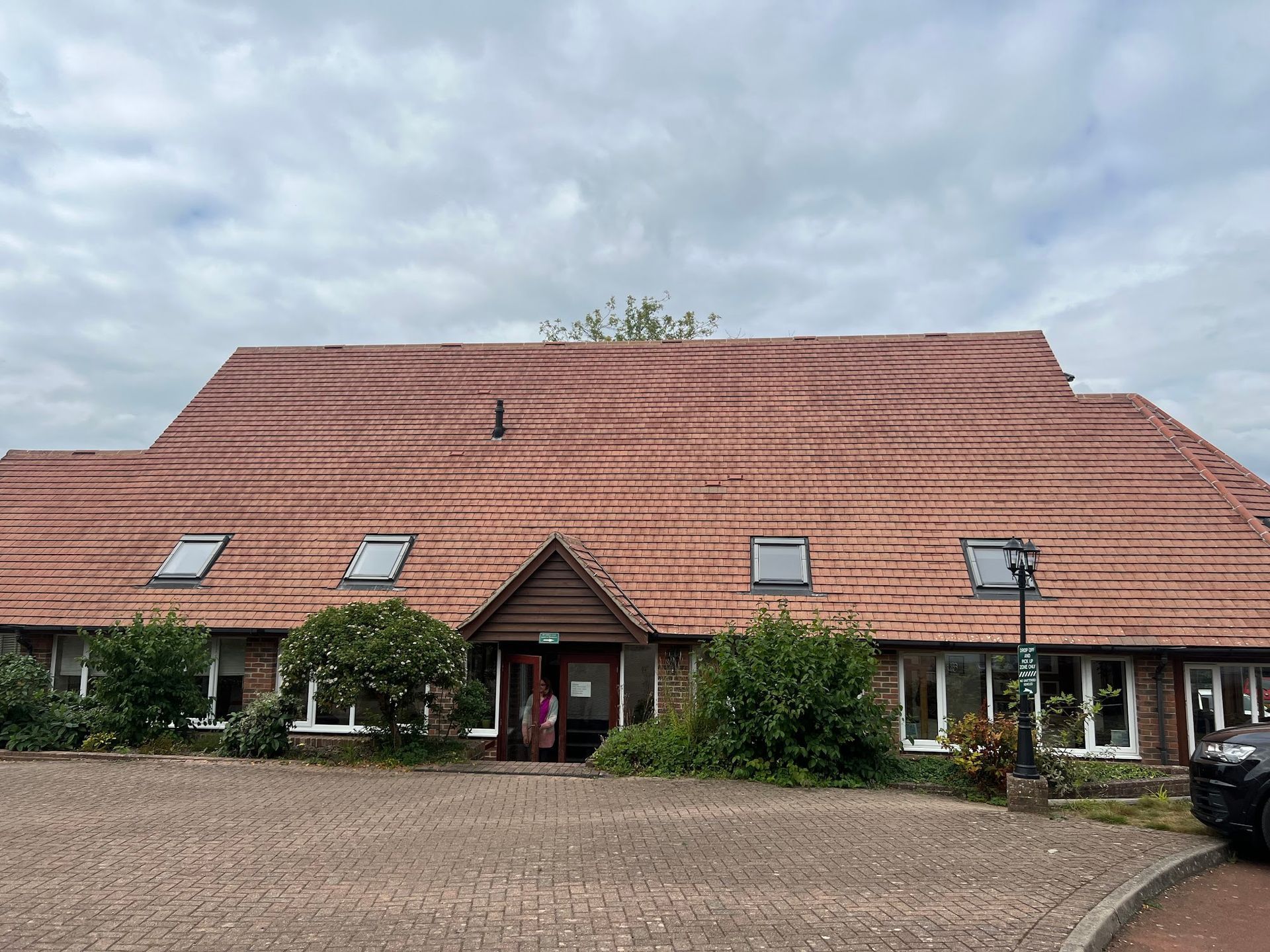
Both types of home tend to have roofs of clay or early concrete tile, materials that are durable but, like all roofs, need looking after. Their age means the tile surfaces have weathered, and by the coast that weathering is a little advanced compared with sheltered inland homes.

2. Why Bungalow Roofs Grow Moss
Bungalows have one particular quirk when it comes to moss: their low, spreading roofs often sit close to mature garden trees and hedges. That proximity means more shade and more falling debris, and shade is exactly what moss needs. A bungalow roof tucked among established planting can green up noticeably faster than a taller house on an open plot.
The low pitch common on some bungalows can also hold water and debris a little longer than a steep roof that sheds everything quickly. Combined with Eastbourne's coastal damp, this makes bungalow roofs well worth keeping on a regular cleaning schedule, even though the town is one of the sunniest in the country.
3. The 1930s Semi and Its Roof
Interwar semis were solidly built, and their roofs have generally stood the test of time. After the best part of a century, though, the tiles have weathered and the mortar has aged, and on the coast salt-held damp has quietly added to that process. These are not fragile period roofs in the way Victorian slate can be, but they are no longer new, and they benefit from a gentle approach.
Many of these homes also have north-facing slopes or gable ends that stay shaded, and it is on these that moss and algae establish first. A clean that tackles the shaded side thoroughly, rather than just the visible front slope, keeps the whole roof in good order.
4. The Coastal Factor for Both
Whatever the age of the home, Eastbourne's seaside position shapes how its roof weathers. Salt carried on the sea air settles on the tiles and holds moisture against them, keeping surfaces damp and encouraging growth, while stronger coastal winds work at edges, ridges, and ageing mortar and drive rain at awkward angles.
For bungalows and semis alike, this means the roof faces a little more than rain and frost alone. Keeping the surface clean and clear helps it dry properly between showers and reduces the salt and organic build-up that shortens a coastal roof's comfortable life.

5. Why Gentle Cleaning Is the Right Choice
On clay and early concrete tiles that have weathered over decades by the sea, aggressive cleaning is a false economy. High-pressure washing can crack tiles, strip their surface, and force water underneath, leaving the roof more porous and quicker to grow moss than before. Gentle, low-pressure soft washing removes moss, algae, and salt-held grime while preserving the tiles.
For bungalows, the lower roof makes access easier, but that is no reason to reach for high pressure; the tiles still deserve the same gentle treatment. For semis, the height makes safe working important, which is another reason these jobs are best left to someone properly equipped.
6. Signs It Is Time for a Clean
A few signs suggest a bungalow or semi roof in Eastbourne is due for attention:
- Thick moss on the shaded side , common on bungalows near garden trees and on north-facing semi slopes.
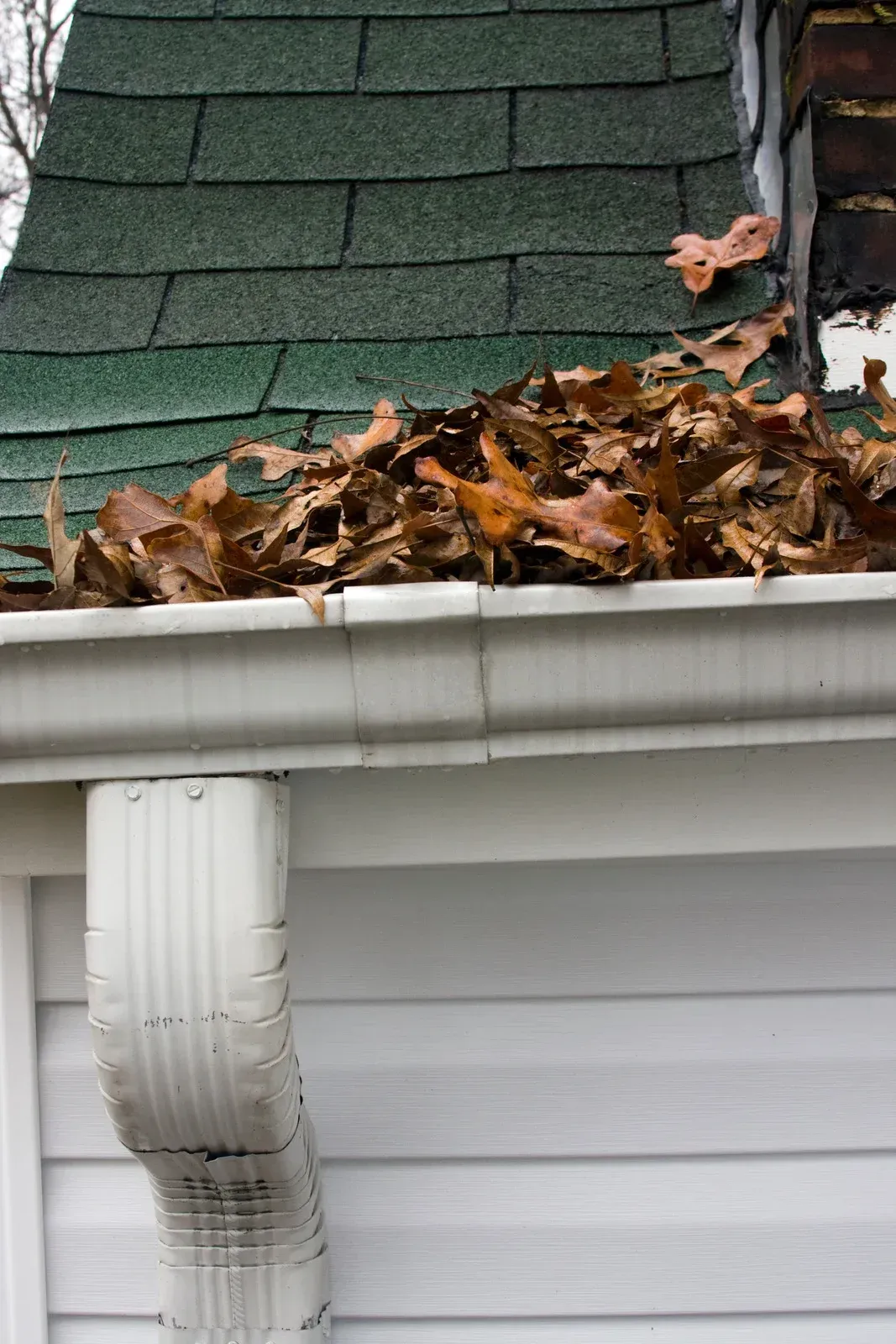
- Moss clumps in the gutters or on the ground, shed from the roof above.
- Dark streaking or green film spreading across the tiles.
- Loose or slipped tiles , worked on by coastal wind.
- Gutters overflowing in the wet autumn and winter months.
7. Keeping These Roofs in Good Order
The most reliable approach for both bungalows and semis is regular, gentle cleaning rather than waiting for the roof to become heavily overgrown. Keeping the covering clear lets the tiles dry as intended, stops moss shedding into the gutters, and heads off the damp problems that follow blocked drainage.
For the many Eastbourne residents who have chosen a bungalow for easy, single-level living, an equally easy, well-maintained roof fits the same philosophy: keep on top of it gently and regularly, and it looks after the home without fuss for years to come.
Frequently Asked Questions
Do bungalow roofs need cleaning more often?
Often, yes. Bungalows tend to sit low among mature garden trees and hedges, which cast shade and drop debris, and their lower pitch can hold moisture longer, so moss establishes readily and regular cleaning helps.
Are 1930s roofs fragile?
Not as fragile as Victorian slate, but after nearly a century the tiles have weathered and the mortar has aged, and coastal salt adds to that. They benefit from gentle, low-pressure cleaning rather than harsh methods.
Can you pressure wash a bungalow or semi roof?
It is not advised. High pressure can crack weathered tiles and force water underneath, leaving them more prone to moss. Gentle soft washing removes growth and salt build-up without adding to the wear.
Why does the back of my roof have more moss than the front?
The shaded, usually north-facing slope stays damp longer and grows more moss, while the sunnier side dries out and stays clearer. A thorough clean should tackle the shaded side, not just the visible front.
How often should these roofs be cleaned in Eastbourne?
It varies with shade and exposure, but many bungalows and semis benefit from a check every one to three years, with shaded, tree-close roofs sitting at the shorter end.
Bungalow or semi roof going green in Eastbourne?
Ben's Roof Cleaning provides gentle, professional roof cleaning, moss removal, and gutter clearing across Eastbourne and East Sussex, with over 15 years of experience. Get in touch or call 0132 339 6174
for a free, no-obligation quote.
Care That Fits the Home
Eastbourne's bungalows and 1930s semis may not have the grandeur of the seafront terraces, but they are the everyday homes of the town, and their roofs deserve the same thoughtful care. Their weathered clay and concrete tiles, the shade of mature gardens, and the salt and wind of the coast all point to the same answer: regular, gentle cleaning that keeps the roof clear without harming the tiles. Look after a bungalow or semi roof this way, and it will keep doing its quiet job, dry and sound, for many years to come.