Roof Cleaning for Eastbourne's Victorian and Edwardian Homes
Eastbourne grew into the elegant resort it is today largely during the Victorian and Edwardian eras, and that heritage is written across its rooftops. From the leafy, sought-after streets of The Meads beneath the South Downs to the historic, cobbled corners of Old Town and the grand seafront terraces, the town is full of beautiful period homes. Their roofs are part of what gives them their character, but the original slate and clay tiles on these properties are more delicate than modern roofing, and by the coast they face extra pressures. This detailed guide explains how to keep an Eastbourne period roof clean without harming it.
The quick answer: Eastbourne's Victorian and Edwardian homes typically have original slate or clay roofs that are beautiful but brittle and expensive to match. Combined with coastal salt and wind, that makes aggressive cleaning a real risk. Gentle, low-pressure soft washing by someone who understands older, seaside roofs is the safe way to keep them clear and sound.
1. Why Eastbourne Has So Many Period Roofs
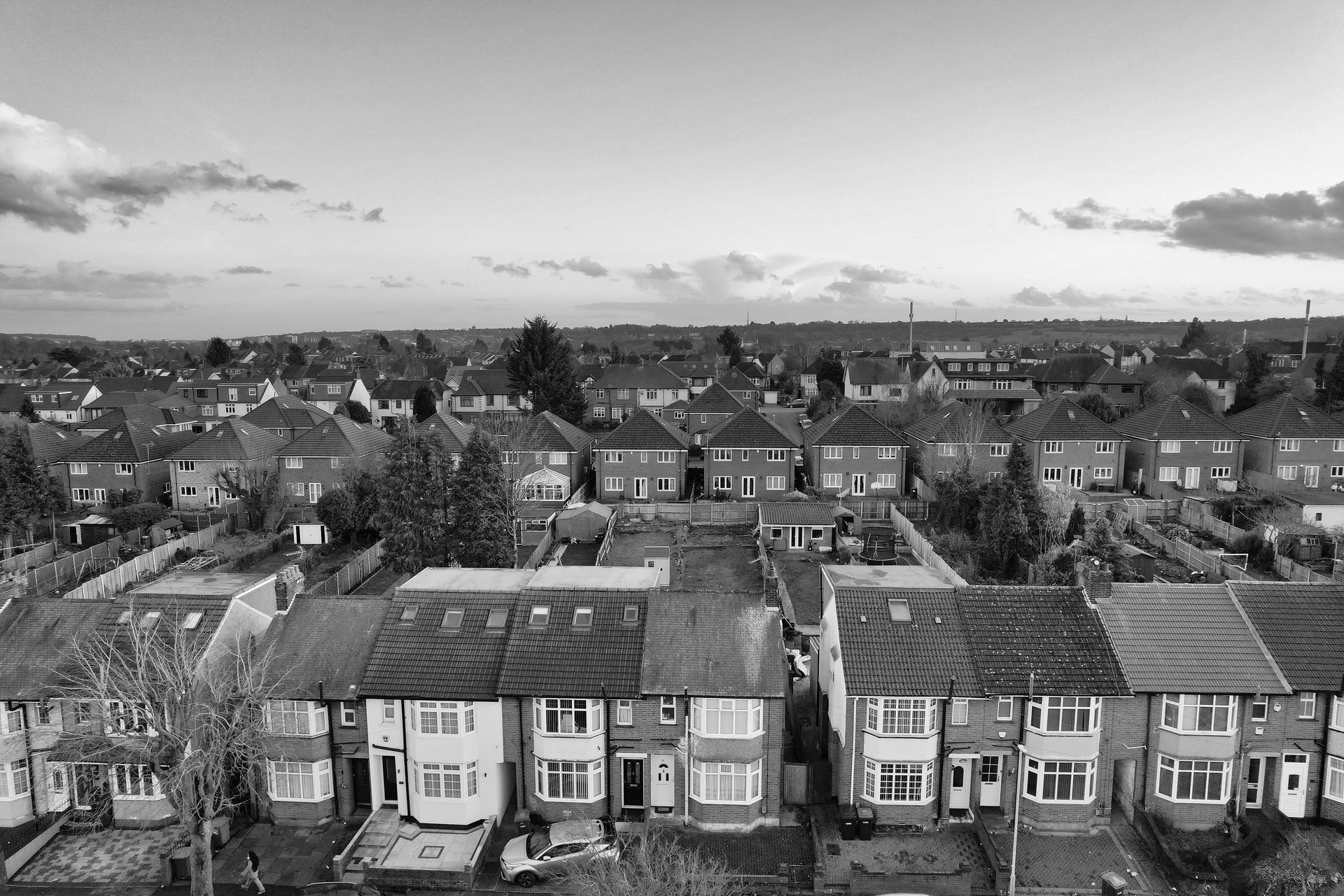
Eastbourne was developed as a planned seaside resort through the nineteenth and early twentieth centuries, and much of its most characterful housing dates from that time. The Meads, on the western side beneath the Downs, is known for its leafy streets of Victorian and Edwardian homes, while Old Town retains historic architecture and a village feel, and the seafront is lined with grand Victorian terraces and hotels.
The upshot is a town rich in original slate and traditional clay roofs. These materials are handsome and long-lasting, but they behave very differently from the robust concrete tiles of modern estates, and they call for a correspondingly careful approach to cleaning.
2. What Makes Period Roofs Delicate
Original slate and clay tiles were made with materials and methods that predate modern manufacturing. Natural slate has its own beauty but grows more brittle with age, and older clay can become porous and fragile. The mortar and fixings holding these roofs together may be original too, and no longer as strong as they once were.
This means a period roof cannot be treated like a modern one. What a hard-wearing concrete tile shrugs off, an aged slate may not, so the whole cleaning approach has to be adjusted to the materials and the age of the roof rather than applied from a standard template.
3. The Coastal Factor
Eastbourne's period roofs face a challenge that inland period homes do not: the sea. Salt carried on the air settles on the tiles and holds moisture against them, and the town's stronger coastal winds work at edges, ridges, and ageing mortar. On an already delicate slate or clay roof, these coastal pressures add to the case for gentle, careful handling.
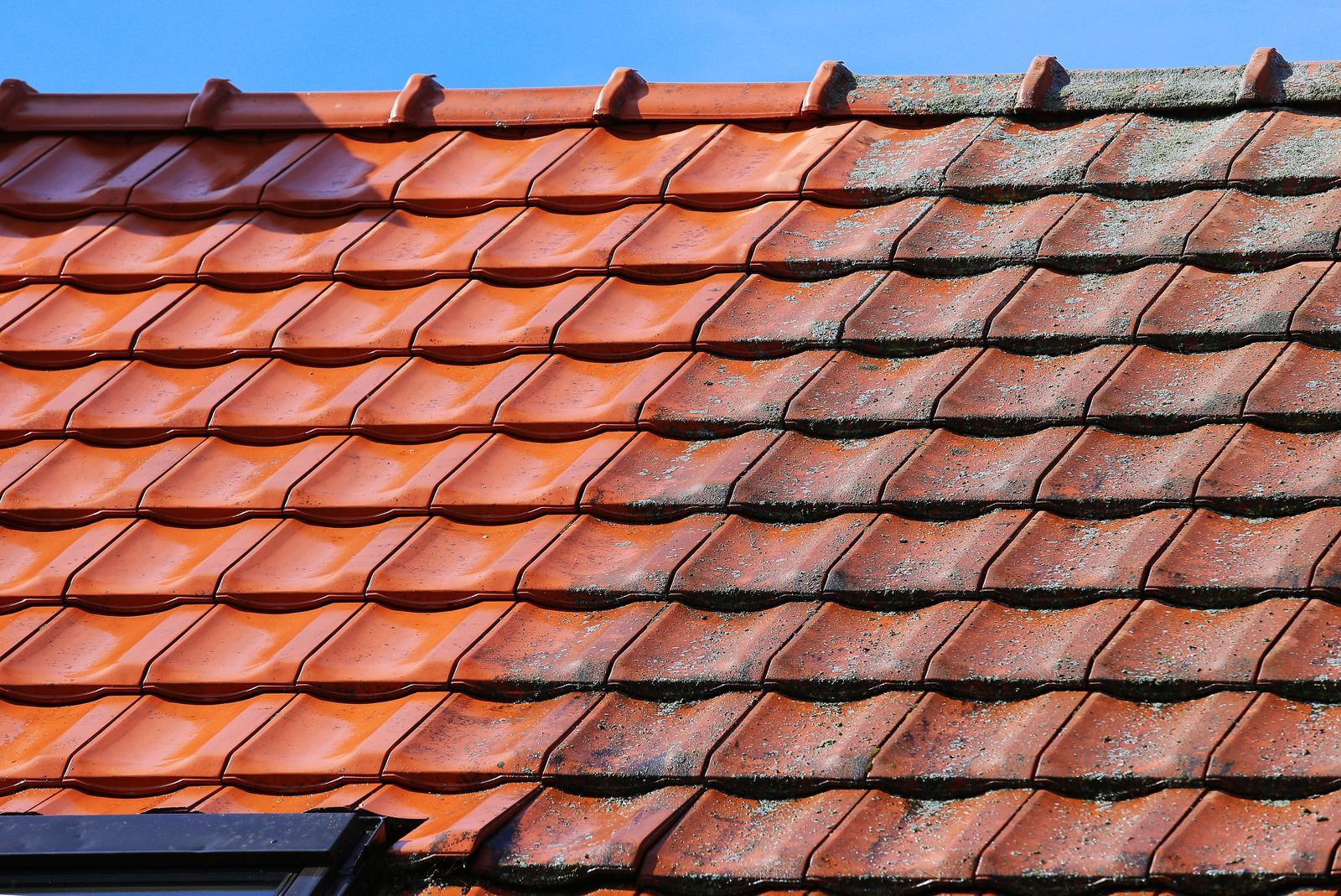
Salt-held damp also encourages moss and algae on the shaded slopes of hillier streets like those in The Meads. So a period roof by the coast often needs both the gentleness its materials demand and regular attention to keep growth from establishing in the damp.
4. The Risk of the Wrong Method
On a period roof, an aggressive clean is not just unhelpful, it can be genuinely costly. High-pressure washing can crack brittle slate, blast the surface off older clay, and dislodge tiles held by ageing, salt-worn mortar. Walking carelessly across the roof can break tiles that had years of life left in them.
The real sting is replacement. Matching original Victorian slate or period clay in colour, size, and finish is difficult and expensive, and a patched roof rarely looks the same again. Protecting the tiles you have is almost always cheaper and better than replacing what a careless clean has broken.
5. The Gentle Approach That Works
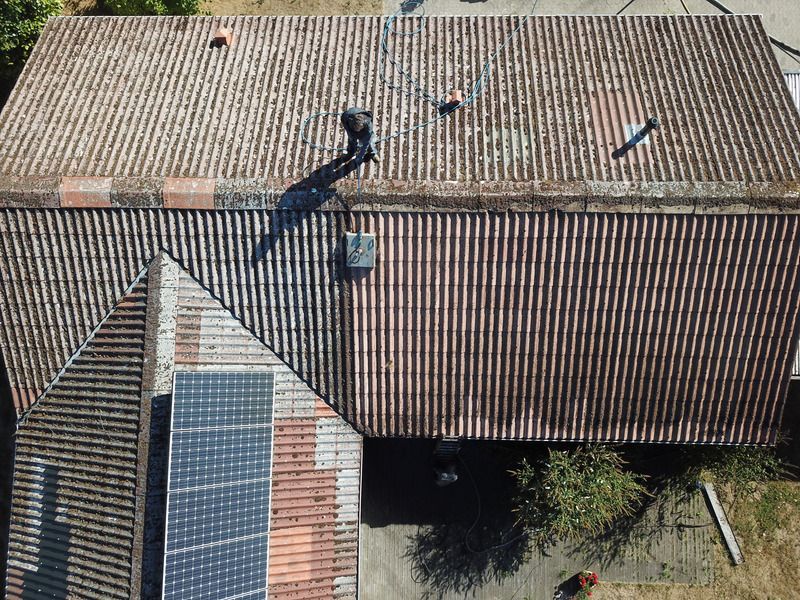
The safe way to clean an Eastbourne period roof is soft washing: low pressure combined with cleaning solutions that lift moss, algae, lichen, and salt-held grime without force. It works with the fragile, weathered materials rather than against them, removing growth thoroughly while leaving the original tiles intact.
Just as important is the person doing the work. A cleaner who understands both older roofs and coastal conditions will assess the tiles first, tread carefully, and adjust their method to the roof's age, materials, and exposure, which is exactly what a century-old seaside roof deserves.
6. Caring for a Period Roof Over Time
With older coastal roofs, prevention is especially valuable. Regular, gentle cleaning stops moss and salt build-up reaching the point where heavy intervention is needed, which is exactly the kind of intervention that puts fragile, weathered tiles at risk. Keeping on top of it protects both the look and the structure of the roof.
A routine check also catches the small issues that matter most on an ageing seaside roof, a slipped slate, a patch of failing mortar, before wind-driven rain turns them into leaks. Steady, careful care is how a period roof stays both beautiful and watertight for the long term.
Frequently Asked Questions
Can old slate and clay roofs be cleaned safely by the coast?
Yes, with the right method. Gentle, low-pressure soft washing removes moss, algae, and salt-held grime without the force that can crack brittle period tiles, and it is matched to the roof's age, materials, and coastal exposure.
Why is pressure washing bad for a period roof?
High pressure can crack aged slate, strip the surface off old clay, and dislodge tiles held by original, salt-worn mortar. On irreplaceable period tiles, that damage is both likely and expensive.
Do coastal period roofs need cleaning more often?
Often, yes. Salt keeps surfaces damp and encourages growth on shaded slopes like those in The Meads, so regular gentle cleaning helps keep a seaside period roof clear without the need for harsher intervention.
Is it hard to replace Victorian roof tiles in Eastbourne?
Yes. Matching original slate or period clay in colour, size, and finish is difficult and costly, and patched repairs rarely blend in perfectly, which is why protecting the existing tiles matters so much.
Does a clean roof help the value of a period home?
It can. A well-kept original roof supports the character and kerb appeal that give Eastbourne's period homes much of their value, while a neglected or damaged roof works against both.
Own a period home in Eastbourne?
Ben's Roof Cleaning cleans older slate and clay roofs gently and safely across Eastbourne and East Sussex, protecting original tiles while removing moss and salt build-up, with over 15 years of experience. Get in touch or call 0132 339 6174
for a free, no-obligation quote.
Protect the Roof That Gives Your Home Its Character
The Victorian and Edwardian roofs of The Meads, Old Town, and the Eastbourne seafront are worth looking after properly. Their original slate and clay tiles are beautiful and durable, but they are also delicate, hard to replace, and, by the coast, exposed to salt and wind that add to the pressures they face. Soft washing by someone who understands older seaside roofs keeps them clear of moss and salt-held grime without risking the tiles. Treat a period roof with that care, and it will keep protecting your home, and adding to its character, for many years yet.