
Why Eastbourne Gutters Fill Faster Near the Coast
Gutters rarely get much thought until they overflow, and by the coast in Eastbourne they can reach that point faster than homeowners expect. The town's seaside position brings a particular mix of wind, salt, and heavy seasonal rain that works on gutters in ways an inland home does not experience. Add the moss that Eastbourne's shaded slopes shed, and it is easy for a gutter to block quietly until the first heavy downpour reveals the problem. This detailed guide explains why coastal gutters fill so readily, what happens when they do, and how often they really need clearing in Eastbourne.
The quick answer: Eastbourne gutters fill faster because coastal wind blows debris into them, salt keeps that debris damp and heavy, moss sheds from shaded roofs, and the town's rainfall peaks sharply in November. For most homes, gutters should be cleared at least twice a year, with exposed or tree-close properties needing more, to avoid overflow, damp walls, and rotten fascia.
1. What Gutters Do, and Why It Matters by the Sea
A gutter's job is simple but essential: to catch the water running off the roof and carry it safely down and away from the walls and foundations. On the coast, where rain often arrives heavy and wind-driven, that job is if anything more important, because a failing gutter lets water reach the walls exactly when the weather is at its worst.
When a gutter is clear, you never think about it. It is only when it blocks that the consequences appear, and by the sea those consequences can arrive quickly, during the kind of heavy, blustery downpour Eastbourne sees through autumn and winter.
2. Coastal Wind Blows Debris In
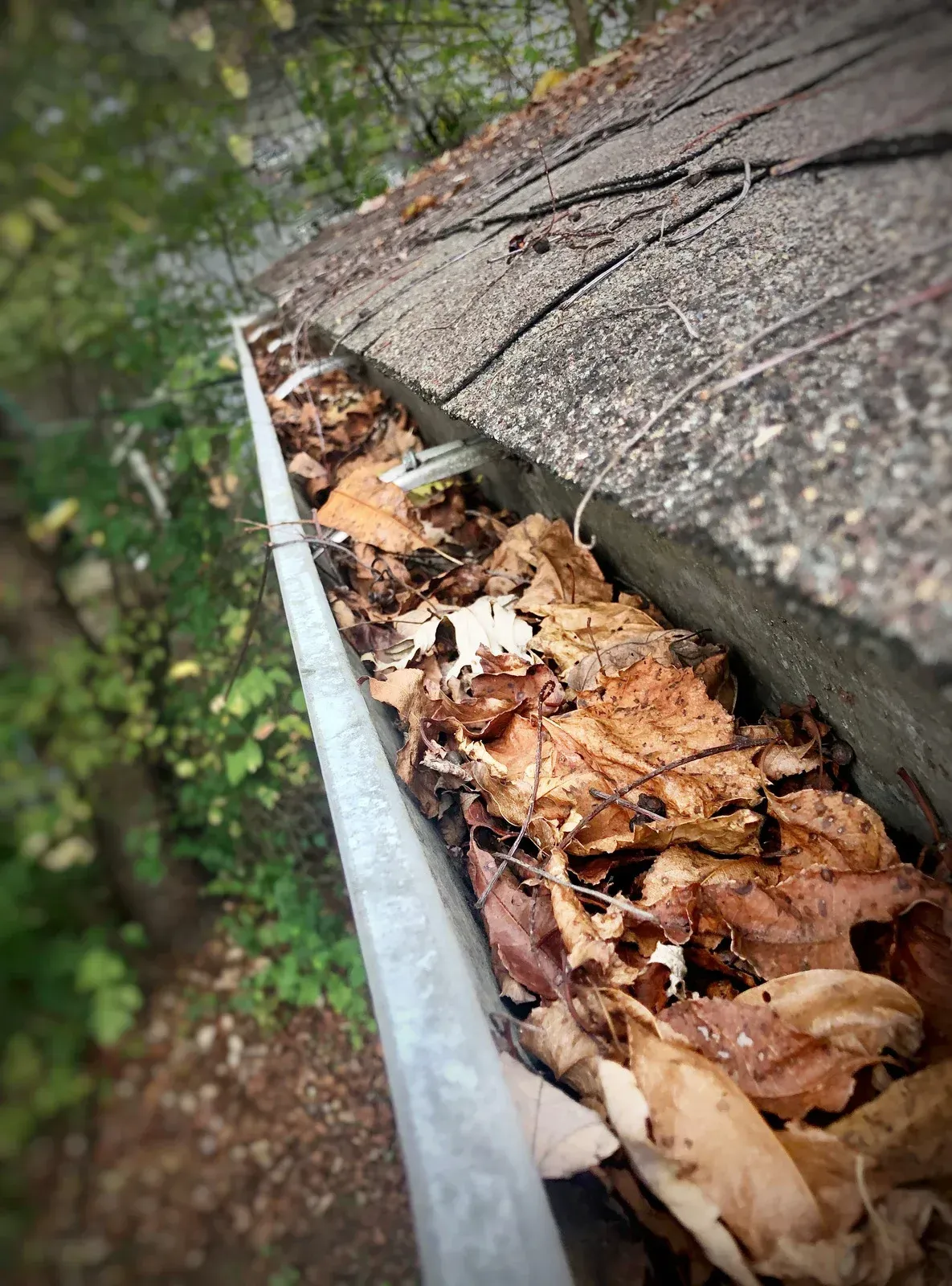
Inland, most gutter debris falls straight down from overhanging trees. On the coast, wind adds another route. Eastbourne's stronger, more frequent breezes pick up leaves, grit, and fine debris and deposit them in gutters even where there are no trees directly overhead. A gutter that might stay clear inland can gather debris from further afield in an exposed seaside position.
That wind-blown material settles, packs down, and combines with anything falling from nearby planting to build a blockage more quickly than you would expect. It is one of the quiet ways the coast makes gutter maintenance a slightly more frequent job in Eastbourne.
3. Salt Keeps Debris Damp and Heavy
Salt plays its part here too. Because salt attracts and holds moisture, the debris in a coastal gutter stays damp rather than drying out between showers. Damp debris packs down denser, rots faster, and holds water more readily, all of which help a gutter clog and overflow.
This is part of why a coastal gutter can feel like it needs attention sooner. The same handful of leaves that might dry and blow away inland instead sits wet and heavy in an Eastbourne gutter, building steadily into a blockage.
4. Moss From Shaded Roofs
Eastbourne's shaded slopes, particularly on the hillier streets under the Downs and around The Meads, shed moss as it thickens and dries, and the natural place for it to gather is the gutter. There it adds to the wind-blown and fallen debris, speeding up the blockage and linking the roof's condition directly to the gutter's.
This is why gutter clearing and roof cleaning work so well together. A gutter cleared beneath a moss-covered roof simply fills again from above; dealing with both keeps the whole system clear for far longer.
5. Heavy Autumn Rain Exposes It All
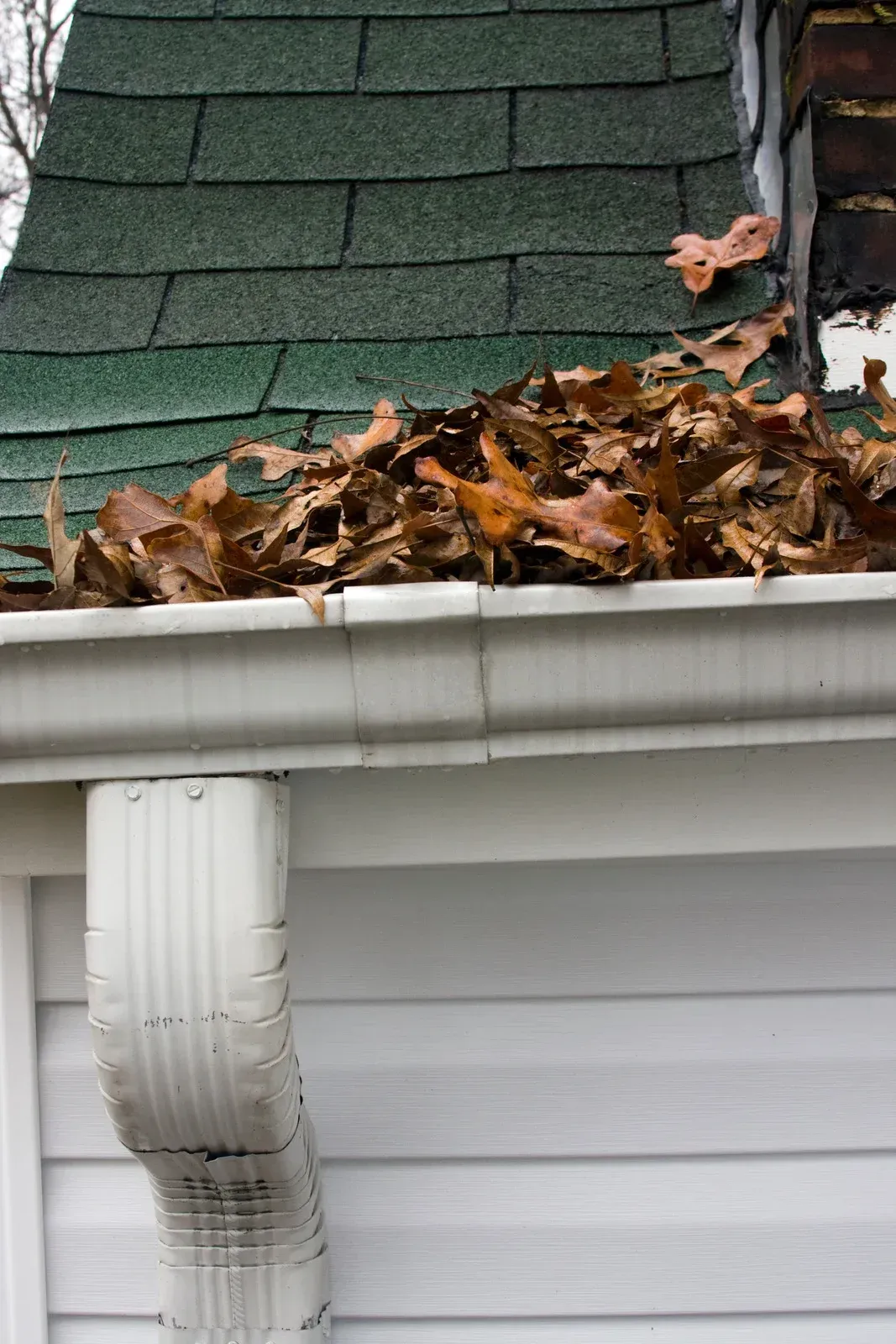
Eastbourne's rainfall is not evenly spread. November is its wettest month by a clear margin, and the autumn and winter bring the heavy downpours that expose any blockage. A gutter that filled quietly through the drier months suddenly cannot cope, and the water spills over, running down the walls just when the weather is harshest.
This is why the timing of gutter clearing matters. A clear before the autumn rains set in means the gutters can carry away the heaviest weather of the year, rather than failing exactly when they are needed most.
6. What Overflow Does, and How Often to Clear
When a coastal gutter overflows, water runs down the wall and soaks into the brickwork, eventually appearing as damp inside, while the timber fascia behind the gutter sits wet and begins to rot. For most Eastbourne homes, a sensible schedule keeps this from happening:
- A late-autumn clear , before November's heavy rain, is the most important of the year.
- A spring clear removes the moss and debris built up over winter.
- Exposed or tree-close properties may need clearing more than twice a year.
- Water spilling over the edge in rain is a clear sign the gutter is already blocked.
- Clearing the roof at the same time tackles the moss that keeps refilling the gutters.
7. Keeping Coastal Gutters Flowing
The most reliable way to avoid overflow and the damage it brings is a regular schedule tied to Eastbourne's weather: clear before the autumn rains, again in spring, and more often if the property is exposed or close to trees. Dealing with the moss-shedding roof at the same time keeps the whole system clear for longer and tackles the cause rather than just the symptom.
Handled this way, an Eastbourne home stays dry through the wettest, windiest weather the coast can throw at it, its walls stay sound, and its gutters quietly do their job when it matters most.
Frequently Asked Questions
Why do coastal gutters block faster?
Coastal wind blows leaves and debris into gutters even without trees overhead, salt keeps that debris damp and heavy so it packs down and rots faster, and moss sheds from shaded roofs, all of which speed up a blockage in Eastbourne.
How often should I clear my gutters in Eastbourne?
At least twice a year for most homes, once in late autumn before November's heavy rain and once in spring. Exposed properties or those near trees may need clearing more often.
When is the most important time to clear gutters?
Late autumn, before Eastbourne's wettest month of November, so the gutters can carry away the heaviest rain of the year rather than overflowing when they are needed most.
Can blocked gutters cause damp inside my house?
Yes. When a gutter overflows, water runs down the wall and soaks into the brickwork, eventually appearing as damp or mould inside, as well as rotting the timber fascia behind the gutter.
Should I clear the roof and gutters together?
Often, yes. Moss shed from a shaded roof is a major source of gutter blockages in Eastbourne, so cleaning both together keeps the whole system clear for longer than clearing the gutters alone.
Gutters overflowing by the coast in Eastbourne?
Ben's Roof Cleaning clears blocked gutters and cleans roofs across Eastbourne and East Sussex, tackling the wind-blown debris and moss that cause overflow, with over 15 years of experience. Get in touch or call 0132 339 6174
for a free, no-obligation quote.
Stay Ahead of the Coastal Weather
By the sea in Eastbourne, gutters work harder and block faster than most homeowners realise, thanks to wind-blown debris, salt-held damp, shed moss, and a sharp autumn peak in rainfall. The damp walls and rotten fascia that follow overflow are entirely avoidable with a schedule tied to the local weather: clear before the autumn rains, again in spring, and deal with the moss-shedding roof at the same time. Stay ahead of the coastal weather, and your gutters will carry the worst of it safely away, year after year.