Sea Air and Salt: How the Coast Affects Eastbourne Roofs
There is a lot to love about living on the coast in Eastbourne. The town enjoys one of the sunniest climates in the country, with around 1,892 hours of sunshine a year, nearly 500 more than the UK average, and it sits in a spectacular position between the South Downs and the sea, right beside Beachy Head. But that same coastal setting is quietly demanding on a roof. Salt air, wind-driven rain, and sea damp all act on tiles in ways that inland homes never experience. This detailed guide explains how the coast affects Eastbourne roofs and what it takes to keep yours in good order.
The quick answer: Eastbourne's coastal position brings salt-laden air, stronger winds, and driving rain that work at the surface of roof tiles, at the mortar, and at the gutters. The sunny microclimate helps, but shaded slopes under the Downs still grow moss, and salt and wind accelerate wear. Regular, gentle cleaning and maintenance protect a coastal roof far better than leaving it to weather alone.
1. What Makes a Coastal Roof Different
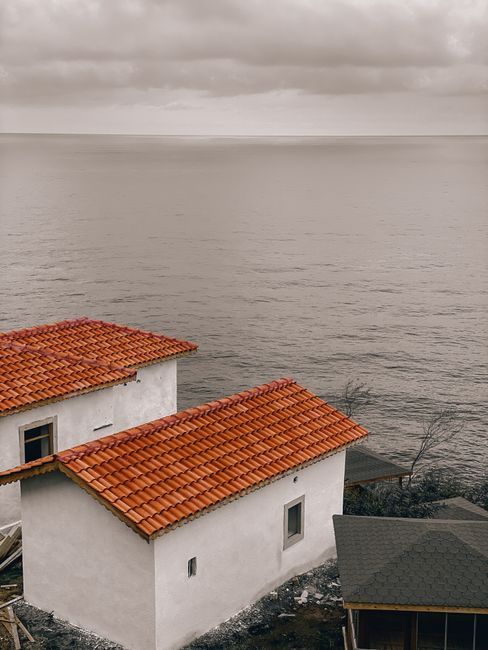
A roof a few miles inland deals mainly with rain, frost, and the occasional gale. A roof in Eastbourne deals with all of that plus the sea. Salt carried on the air settles on every surface, wind arrives with more force and fewer obstacles, and rain is often driven horizontally rather than falling straight down. Over years, this combination puts a coastal roof under a kind of pressure an inland one simply does not face.
None of this means a seaside roof is doomed to fail early. It means it benefits from a little more attention and from an approach that takes the coastal conditions into account, rather than being treated exactly like a roof in a sheltered inland town.
2. How Salt Air Works on Tiles and Mortar
Salt is the coast's most persistent influence. Carried inland on the sea breeze, it settles across roofs and, crucially, it is hygroscopic, meaning it attracts and holds moisture. A salted surface stays damp for longer after rain, and that lingering dampness works against tiles that are designed to shed water and dry quickly.
Over time, salt-laden damp can accelerate the weathering of tile surfaces and nibble at the mortar holding ridge and hip tiles in place. It is a slow process rather than a dramatic one, but it is why coastal roofs and their pointing often show their age a little sooner than sheltered inland ones, and why keeping the surface clean and clear matters more here.
3. Wind and Driving Rain
Eastbourne's open position by the sea means wind is a bigger factor than it is inland. Stronger, more frequent gusts can lift and loosen tiles over time, particularly at the edges and ridges, and they drive rain against the roof and walls from angles a sheltered roof rarely sees. Driving rain finds any small gap far more readily than gentle vertical rain does.
This is why loose or slipped tiles matter more on a coastal roof. A gap that might cause little trouble inland becomes a genuine entry point for wind-driven water in Eastbourne, so spotting and addressing small issues early is especially worthwhile here.
4. Moss Still Grows, Especially Under the Downs
It would be easy to assume that a sunny coastal town has no moss problem, but that is not the case. The town's sunshine helps, yet Eastbourne still sees around 940mm of rain a year, with November its wettest month, and the shaded, north-facing slopes and the leafier, hillier streets around The Meads, tucked under the South Downs, hold plenty of damp.
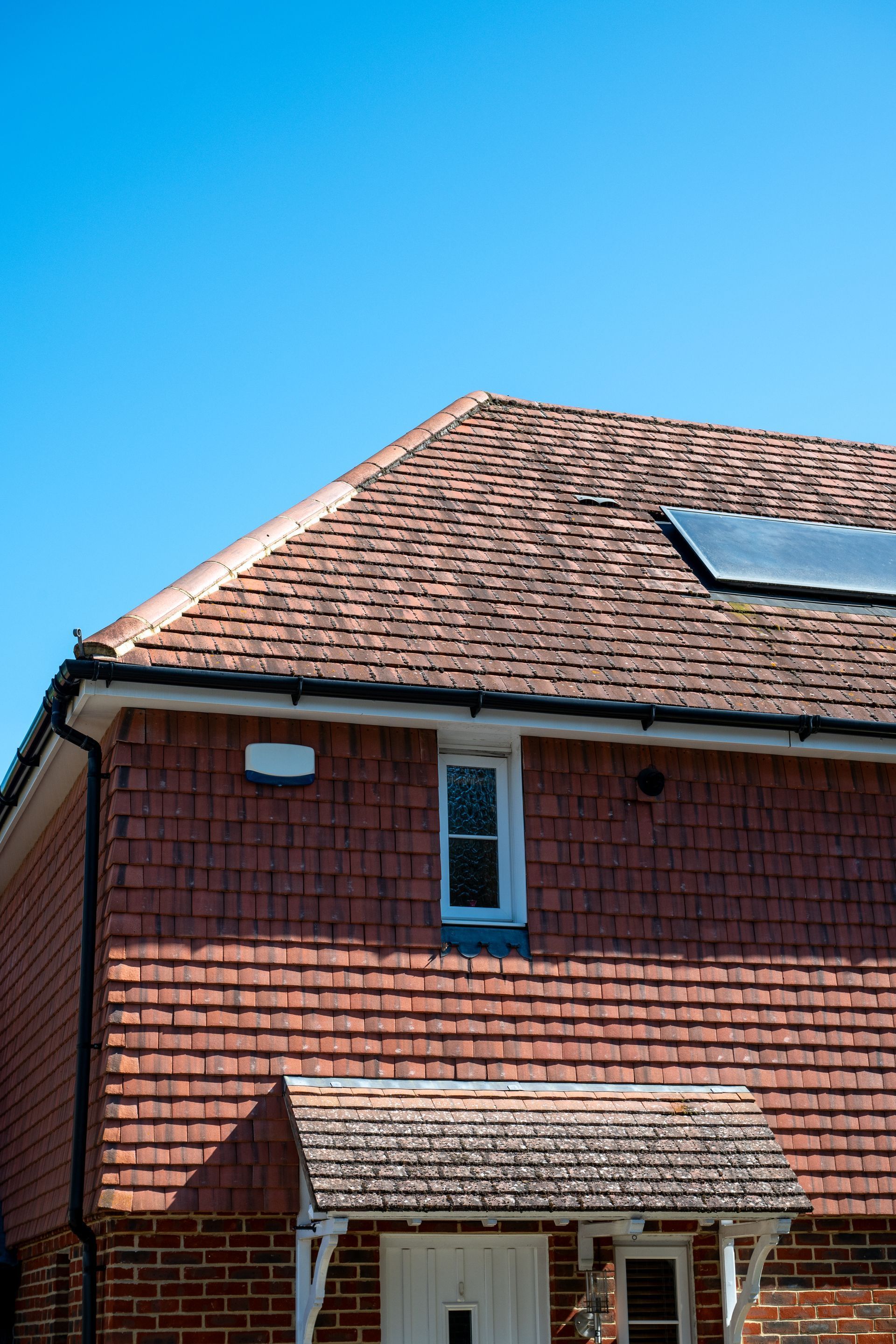
On those shaded roofs, moss, algae, and lichen establish just as they do inland, helped along by the salt that keeps surfaces damp. So while a sunny south-facing seafront slope may stay relatively clear, a shaded slope a few streets back can be noticeably green, and both benefit from regular cleaning.
5. Why Gentle Cleaning Suits Coastal Roofs
Given the extra wear a coastal roof faces, the last thing it needs is aggressive cleaning that adds to the damage. High-pressure washing can crack tiles already weathered by salt, strip their surface, and force water under them, which on a wind-and-salt-exposed roof is a real risk. Gentle, low-pressure soft washing removes moss, algae, and salt-held grime without stressing tiles that are already working hard.
A careful clean also washes away the salt and organic build-up that keep the surface damp, helping the roof dry as it should between showers. On the coast, that clean-and-dry cycle is one of the most valuable things you can do for a roof's long-term health.
6. Signs Your Coastal Roof Needs Attention
A few signs are worth watching for on an Eastbourne home, particularly after a stormy or salty spell:
- Slipped or loose tiles , especially at edges and ridges where wind works hardest.
- Green moss or dark streaking on shaded slopes and around The Meads and Old Town.
- Crumbling or missing mortar on ridge and hip tiles, worn by salt-held damp.
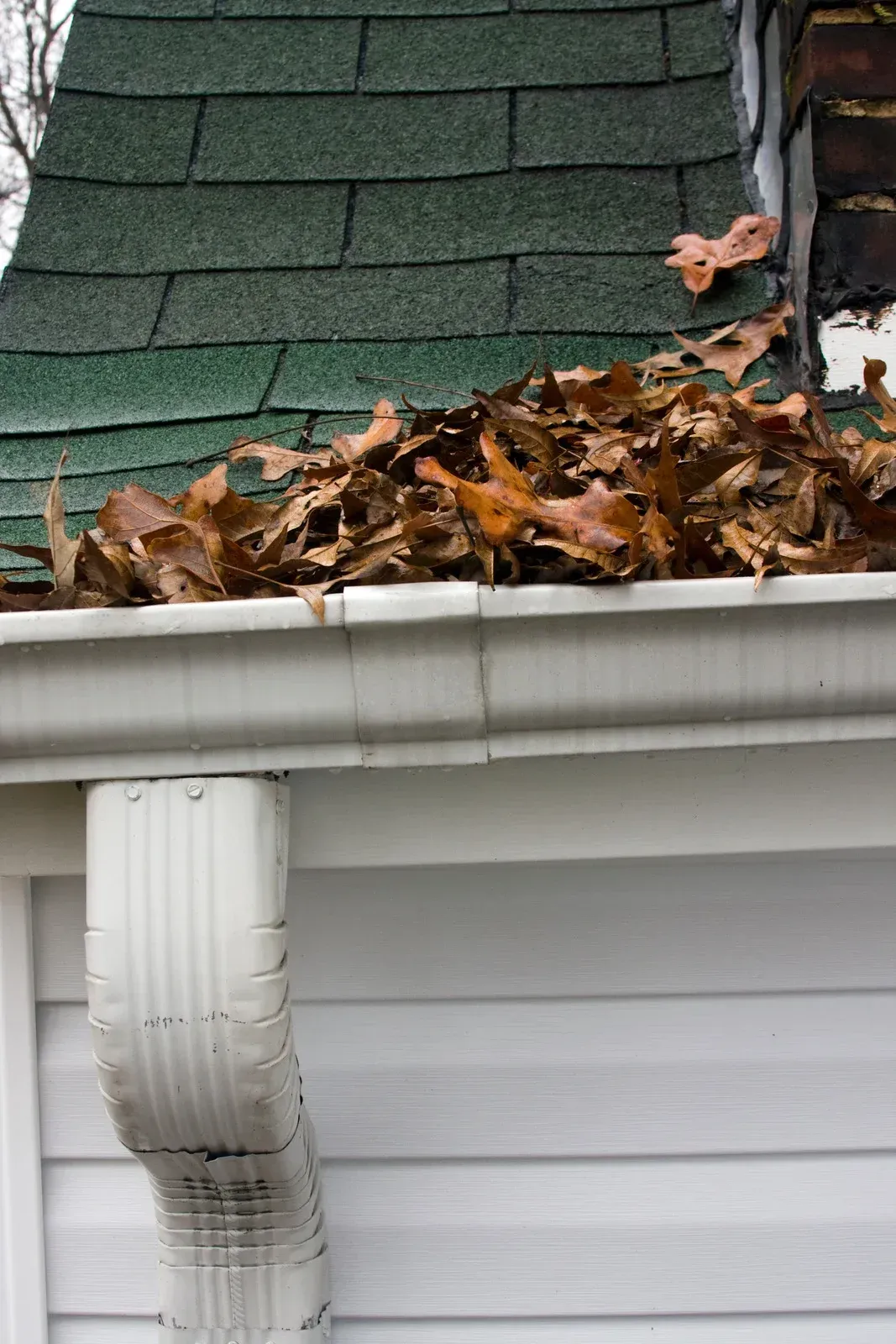
- Gutters overflowing in the heavy November rains.
- Damp patches appearing on interior walls after wind-driven rain.
7. Protecting a Roof by the Sea
The most reliable way to look after a coastal roof is regular, gentle care rather than waiting for a problem. Keeping the tiles clean and clear, checking for the loose tiles and worn mortar that wind and salt encourage, and keeping the gutters flowing all help a seaside roof cope with conditions an inland one never meets.
Treated this way, an Eastbourne roof can enjoy the best of the coast, the sunshine and the sea views, without paying the price in premature wear. A little local knowledge and a gentle, consistent approach keep a coastal roof sound and looking its best for years.
Frequently Asked Questions
Does sea air really damage roofs?
Salt in the air holds moisture against tiles and mortar, keeping surfaces damp for longer and accelerating weathering over time. It is a slow effect, but it is why coastal roofs and their pointing often show wear a little sooner than sheltered inland ones.
Do Eastbourne roofs get moss even though it is sunny?
Yes. Despite the sunshine, Eastbourne sees around 940mm of rain a year, and shaded, north-facing slopes and the hillier streets under the Downs stay damp enough for moss, helped along by salt that keeps surfaces wet.
Is my coastal roof more at risk from wind?
Eastbourne's open seaside position brings stronger winds that can loosen tiles over time and drive rain against the roof from awkward angles, so loose or slipped tiles are more of a concern here than inland.
Can I pressure wash a coastal roof to remove salt and moss?
It is not advised. High pressure can crack tiles already weathered by salt and force water underneath. Gentle, low-pressure soft washing removes salt build-up and moss without adding to the wear.
How often should a seaside roof be cleaned?
It varies with shade and exposure, but many coastal homes benefit from a check every one to three years, with shaded slopes under the Downs and roofs that take the brunt of the weather sitting at the shorter end.
Roof taking a battering by the coast in Eastbourne?
Ben's Roof Cleaning provides gentle, professional roof cleaning, moss removal, and gutter clearing across Eastbourne and East Sussex, with over 15 years of experience. Get in touch or call 0132 339 6174
for a free, no-obligation quote.
Care Built for a Coastal Roof
Eastbourne's setting between the Downs and the sea is one of its great pleasures, but it asks a lot of a roof. Salt air holds damp against the tiles, wind loosens them and drives rain at awkward angles, and shaded slopes still grow moss despite the town's famous sunshine. None of it means a coastal roof cannot last, only that it rewards regular, gentle care matched to the conditions. Look after an Eastbourne roof with the coast in mind, and it will keep protecting your home while you enjoy the view.