Why Do North-Facing Roofs Get More Moss?
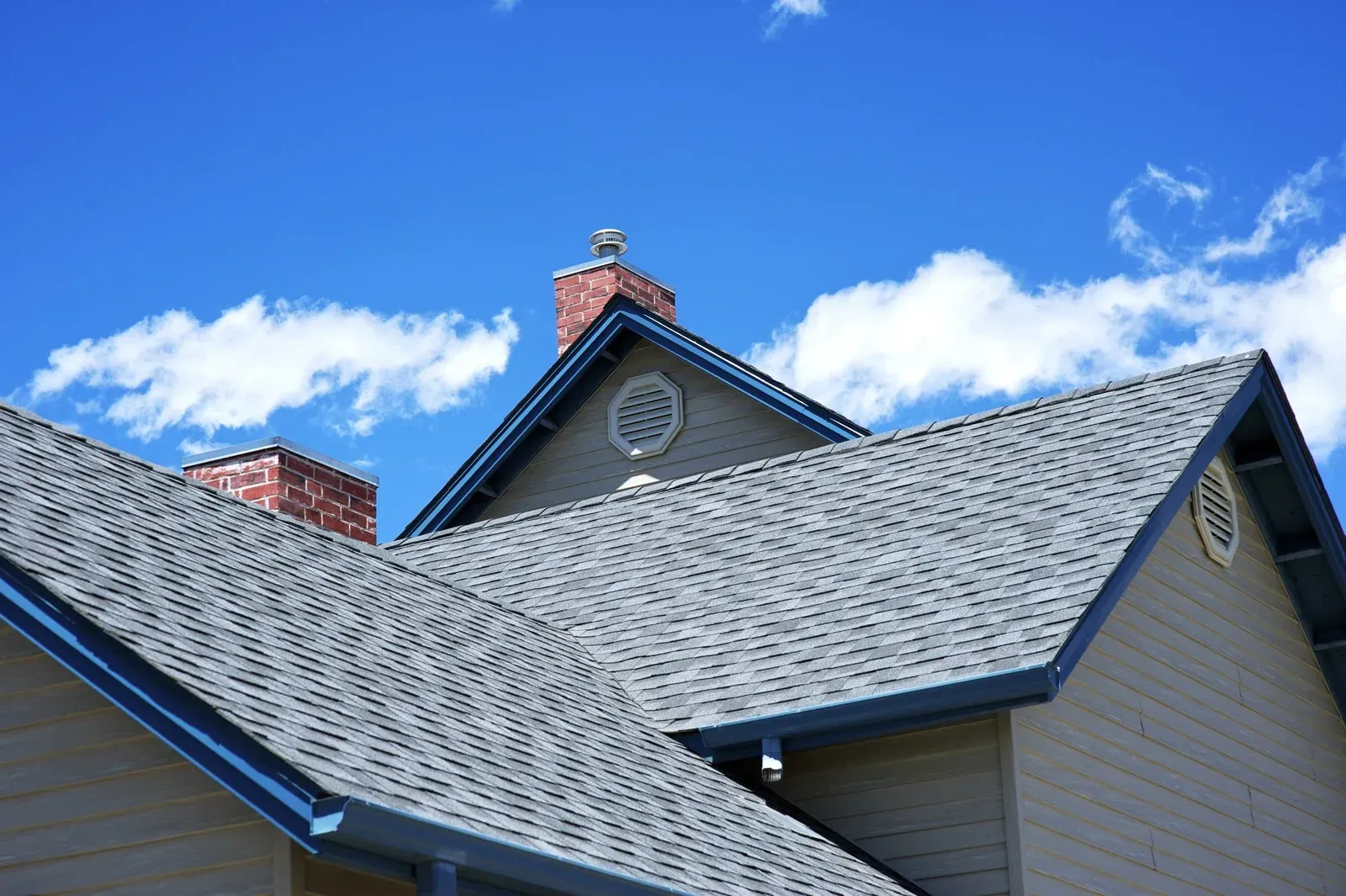
Stand in the garden and look at your roof from the north side, then walk around and look at it from the south. On a great many houses the two slopes barely look like the same roof. One is green, streaked, and dark along the edges; the other is comparatively clean. Same tiles, same age, same weather, yet completely different amounts of moss. The explanation comes down to one thing the two slopes do not share: sunlight.
Understanding why the north side attracts moss makes it far easier to manage. This guide explains the science behind the difference, why it is so pronounced in a climate like Sussex, and what can be done to keep the shaded slope under control.
Sunlight Is the Deciding Factor
Moss needs moisture and shade to grow, and sunlight is the enemy of both. Direct sun does two things that hold moss back. It warms and dries the tile surface, removing the standing dampness moss depends on, and it delivers ultraviolet light, which is harmful to moss and slows its growth directly.
A north-facing slope in the northern hemisphere receives very little direct sun through the day and almost none in the low-angled light of winter. Without that drying warmth and ultraviolet exposure, the surface stays damp and cool, which is precisely the environment moss is built for. The south-facing slope, by contrast, catches the sun for much of the day, dries quickly after rain, and gives moss little chance to establish.
Slow Drying Is the Real Problem
The single most important effect of the missing sunlight is drying time. After a shower, a sunlit south slope may be dry within an hour or two. A shaded north slope can stay wet for the rest of the day, and in the damp months it may barely dry out between one spell of rain and the next.
That extended wetness is what lets moss spores germinate and establish. Spores are landing on every slope of the roof, but only where the surface stays wet long enough do they take hold and spread. The north slope simply gives them the sustained dampness that the south slope does not, so growth concentrates there.
Morning dew adds to it. North-facing surfaces that stay cool also collect and hold dew longer into the morning, adding to the total time the slope spends wet each day. Small daily differences in drying time add up, over months and years, to a large difference in how much moss establishes.
Tip: When you plan a roof clean, remember the north slope is the priority even if the south slope looks fine. Treating the shaded side and applying a preventative biocide there gives the best return, because that is where growth will always try to come back first.
Why Sussex Makes It Worse
The north-facing effect exists everywhere, but a damp regional climate exaggerates it. The South East sees frequent rainfall, humid air moving inland from the coast, and long overcast spells through autumn and winter. On a sunny slope this moisture is dealt with quickly, but on a shaded north slope, where drying is already slow, the extra dampness keeps the surface wet almost continuously through the wetter months.
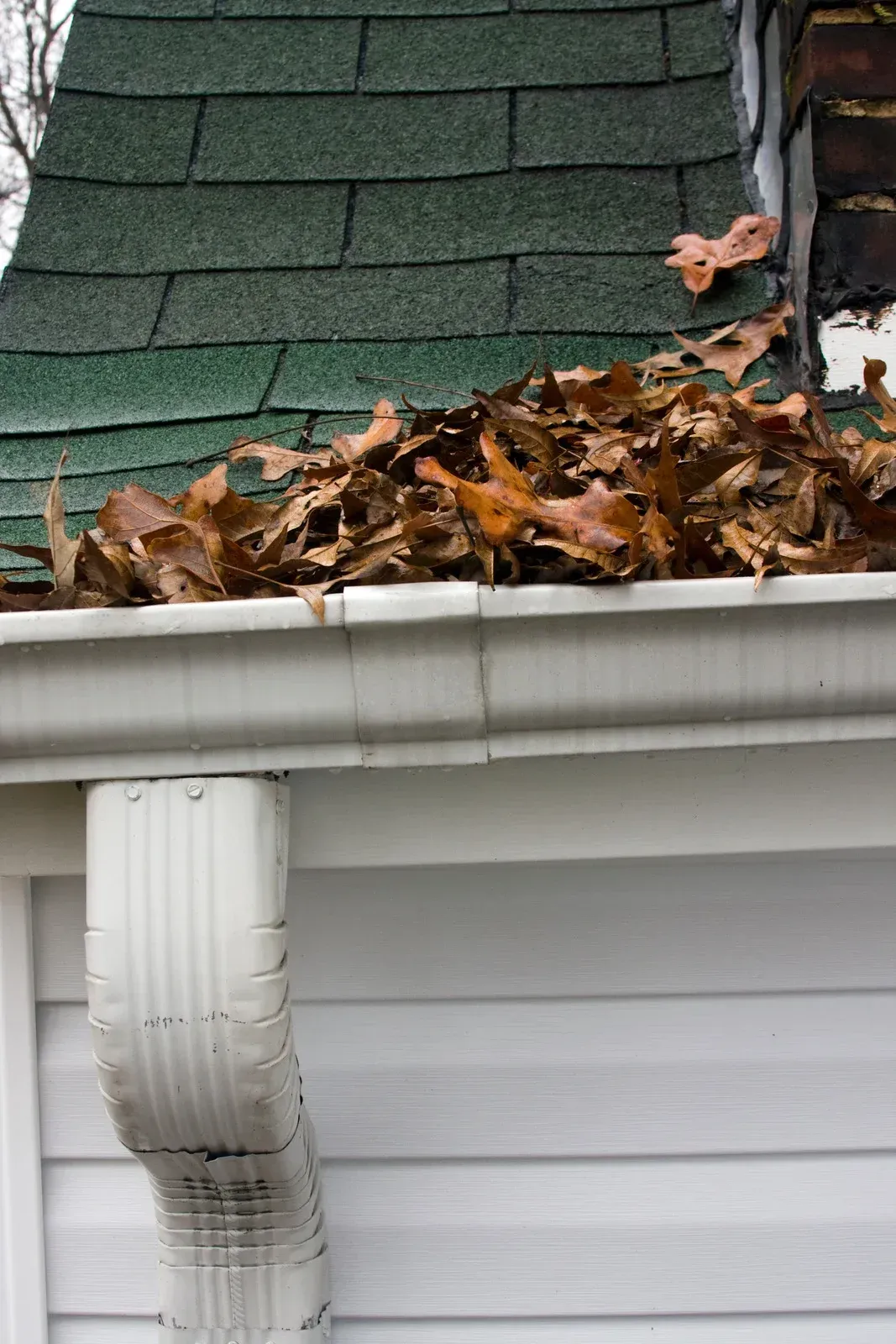
Tree cover compounds the issue. A north slope shaded by trees or a neighbouring building loses what little indirect light it might have had and collects falling leaves and debris that hold yet more moisture. Where that debris washes down to the gutter line, it keeps the roof edge permanently damp. Clearing it with regular
Gutter Cleaning removes one of the factors keeping the shaded slope wet.
Can You Stop Moss on a North-Facing Roof?
You cannot give a north-facing roof more sun, so the growth will always try to return there. What you can do is change how long the slope stays wet and how welcoming its surface is, which together make a real difference to how quickly moss re-establishes.
Improve drying and airflow. Cutting back overhanging branches lets more light and moving air reach the slope, so it dries faster after rain. Even a modest increase in light and air on a shaded roof slows growth noticeably.
Keep the roofline clear. Removing leaf debris from gutters and valleys stops the roof edge staying permanently saturated and cuts off the organic matter that feeds early growth.
Clean and then protect. Because the north slope will always be moss-prone, the preventative treatment matters most here. After a clean, a non-toxic biocide continues to work on the surface for months, slowing the inevitable return. A gentle Roof Cleaning followed by biocide, focused on the shaded slopes, is the most practical long-term approach.
In our 15 years on Sussex roofs, the north slope is almost always the one carrying the heaviest growth, and it is the one where aftercare protection earns its keep most clearly.
North-facing roofs get more moss because they receive little or no direct sunlight, so they dry slowly and stay damp and cool for far longer than sunnier slopes. Moss needs constant moisture and shade to grow, and a north-facing slope supplies both throughout the day and across the seasons. The same roof's south-facing side often stays comparatively clear because sun and warmth dry it quickly and expose growth to ultraviolet light.
Frequently Asked Questions
Should I clean the whole roof or just the north side?
It is usually best to clean the whole roof so the finish is even and any growth on the sunnier slopes is dealt with before it spreads. Even so, the north-facing slopes are the priority for both cleaning and biocide protection, because that is where moss is heaviest and where it returns fastest. A good clean addresses the whole roof while giving the shaded areas particular attention.
Will a north-facing roof always have moss?
It will always be more prone to moss than a sunny slope, but that does not mean it must stay covered. With regular cleaning, a preventative biocide, clear gutters, and reduced overhanging shade, a north-facing roof can be kept largely clear. The growth returns more readily than on the south slope, so the interval between cleans is simply shorter.
Does the same effect apply to east and west-facing roofs?
To a lesser degree, yes. East and west slopes get some direct sun for part of the day, so they dry faster than a north slope but slower than a fully south-facing one. They tend to sit in the middle for moss growth. The general rule holds: the less direct sun a slope receives, the damper it stays and the more moss it attracts.
Would removing a nearby tree fix the problem?
Removing or cutting back trees that shade a north slope can help significantly, because it increases light and air and reduces leaf debris, all of which slow moss. It will not turn a north slope into a south one, since the fundamental lack of direct sun remains, but it removes an added layer of shade and dampness and makes the slope easier to keep clear.
How often should a north-facing roof be cleaned?
There is no single figure, as it depends on shade, tree cover, and tile type, but a heavily shaded north slope in a damp area naturally needs cleaning more often than a sunny one. A biocide treatment extends the interval considerably. A simple visual check each spring and autumn will show whether growth is returning and cleaning is due.
Clear your shaded, moss-prone slopes — Book a no-contact roof clean focused on the north-facing side, with optional biocide to slow regrowth. Ben's Roof Cleaning includes a free inspection and patch test. Call 0132 339 6174.
Making Peace With the Shaded Slope
A north-facing roof gets more moss for a reason you cannot change: it simply does not get the sun that would dry it out and hold growth back. That leaves the slope damp, cool, and ideal for moss, especially in a wet climate and under tree cover. What you can change is the rest of the equation. Better airflow, clear gutters, and a proper clean followed by a lasting biocide treatment all shorten the time the slope stays wet and slow the return of growth. The north side will always want to green up first, but with the right routine it does not have to.