How to Tell If Roof Moss Has Reached the Timber
Moss lives on the outside of a roof, so it is easy to assume it can never touch the timber holding everything up. For the most part that is true, the moss stays on the tiles. The problem is what moss does to the water on a roof, because trapped moisture, lifted tiles, and freeze-thaw cracking can open the paths that eventually let water reach the structure below.
The question of whether moss has reached the timber is really a question about whether water has. This guide walks through the warning signs to look for, inside and out, and explains what they mean so you can judge how urgent your situation is.
First, Understand How Water Gets Past the Tiles
A tiled roof is designed to shed water in layers. The tiles take the brunt, and beneath them a breathable underlay provides a second line of defence, directing any water that gets through down to the gutter. For water to reach the timber, it generally has to defeat both.
Moss makes that far more likely over time. By holding water against the tiles it keeps them wet and feeds freeze-thaw cracking. By building up in the joints it can lift tiles slightly out of position. Cracked or lifted tiles let more water through to the underlay, and on older roofs the underlay may itself have deteriorated. Once water passes both layers, it reaches the battens and rafters, and that is when moss on the outside becomes a structural concern inside.
Warning Signs Inside the Loft
The loft is where evidence of water reaching the timber shows up first, so it is the best place to check. On a dry day, take a torch into the roof space and look carefully.
Damp patches and staining on the timber. Dark, tide-mark-style stains on rafters, battens, or the underside of the roof boards indicate water has been getting in. Fresh damp will look and feel wet; older ingress leaves dried stains that still tell the story.
A musty, earthy smell. A persistent damp or musty odour in the loft is a common early sign of moisture that never fully dries, even before staining becomes obvious.
Soft, dark, or crumbling wood. Timber that has stayed damp can begin to decay. If a rafter or batten looks discoloured, feels soft, or crumbles slightly when pressed, moisture has been present long enough to affect the structure.
Daylight through the roof. Points of daylight visible through the tiles from inside the loft mean there are gaps where tiles have slipped or cracked, exactly the openings that let water reach the timber.
Damp insulation. Insulation that feels damp or looks stained in patches is often catching water coming through from above.
Warning: If you find soft or crumbling timber, active dripping, or widespread damp staining in the loft, treat it as urgent. Water has already reached the structure, and delaying risks the decay spreading to load-bearing timbers. This is a point to get the roof inspected promptly rather than waiting for the next planned clean.
Warning Signs Outside
From outside, you are looking for the tile problems that let water through and any sign the structure is being affected.
Slipped, cracked, or missing tiles. Gaps in the covering, especially on mossy slopes, are the openings water exploits. Heavy moss in the joints frequently accompanies lifted tiles.
A visibly uneven or sagging roofline. A ridge or slope that dips or waves, rather than running straight, can indicate timber below that has weakened, though this has several possible causes and needs professional assessment.
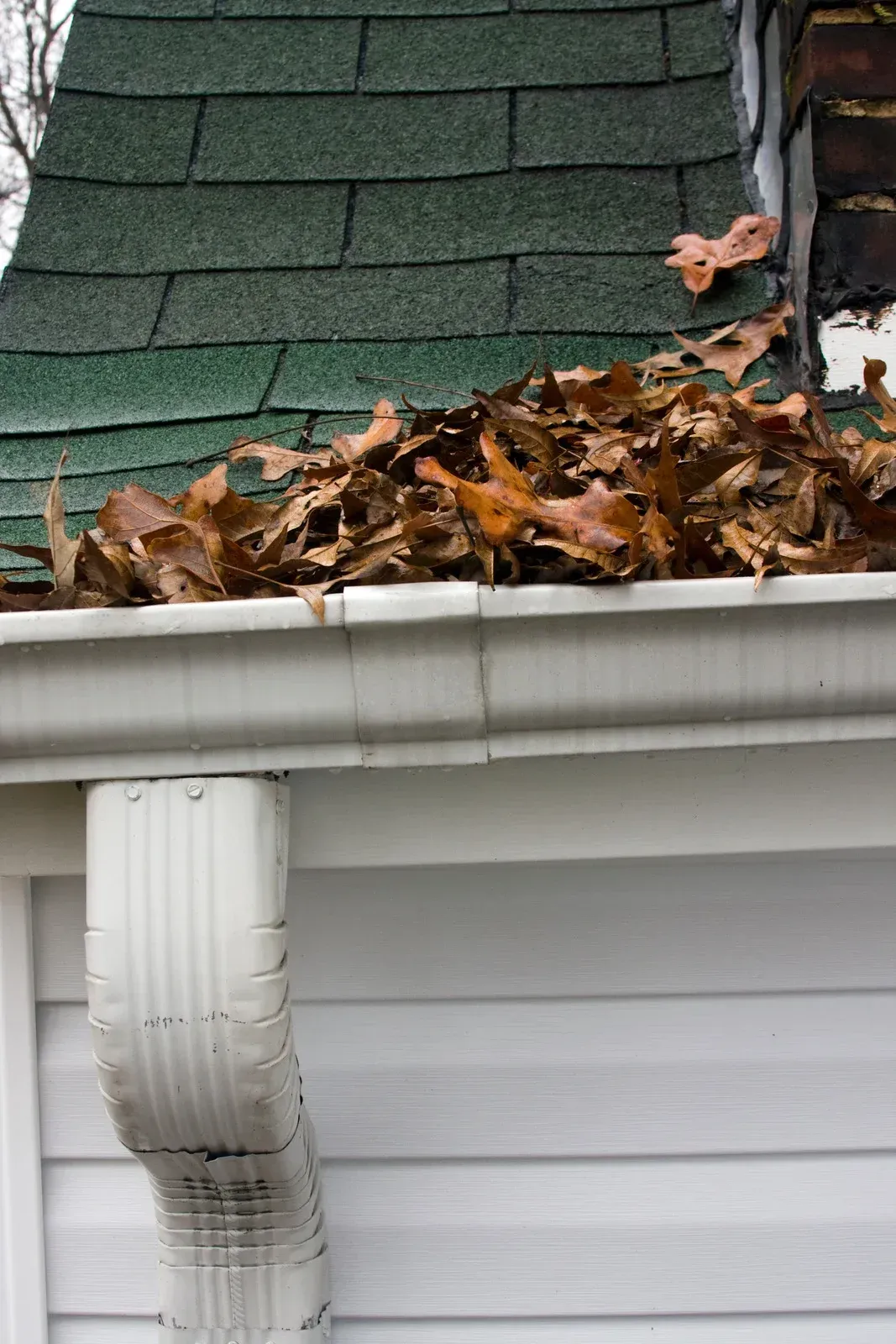
Overflowing or heavily blocked gutters. Gutters packed with moss debris overflow and send water down the walls and behind the fascia, wetting the roofline timbers from a different direction. Keeping them clear with regular Gutter Cleaning removes one of the routes water takes into the structure.
Staining on the fascia and soffit. Green or dark staining and visible decay along the fascia and soffit boards suggest sustained damp at the roof edge.
What These Signs Mean Together
A single minor sign does not necessarily mean the timber is failing. A faint musty smell or one small stain might reflect a historic, since-resolved leak. The picture that should prompt action is several signs together: damp staining plus a musty smell plus visible cracked tiles above the affected area, for example. That combination points to an active path for water from the mossy tiles through to the structure.
The key thing to grasp is the chain of cause and effect. Moss keeps the roof wet, wet tiles crack and lift, cracked tiles let water through, and water that reaches trapped, poorly ventilated timber leads to decay. Breaking that chain early, by removing the moss and repairing the tiles before water gets through, is what keeps a cosmetic problem from becoming a structural one.
What to Do If You Suspect Water Has Reached the Timber
If your checks turn up warning signs, the priority is an inspection that looks at both the roof covering and the structure. Removing the moss is part of the solution, because it stops the ongoing trapping of water, but any cracked or slipped tiles and any damaged underlay need addressing too, and decayed timber may need specialist repair.
Cleaning should be done without adding to the problem. A no-contact, water-based method lifts moss from mobile scaffold towers or ground level without walking a roof that may already have weakened tiles or timber. The inspection that comes with a proper clean is often how these hidden problems are first spotted from the outside. A careful Professional Roof Cleaning Services visit both removes the moss and gives you an informed view of whether water has been getting through.
In our 15 years on Sussex roofs, the loft check is the one we most often recommend to worried homeowners, because it turns guesswork about the timber into something you can actually see.
Roof moss itself stays on the tiles, but the moisture it traps can reach the timber beneath if tiles have been lifted, cracked, or left damp for years. Warning signs include damp patches or staining on loft rafters and boards, a musty smell in the roof space, soft or discoloured timber, water marks after rain, and sagging in the roofline. If you see these, water has likely got past the tiles, and both the roof covering and the structure need checking.
Frequently Asked Questions
Can moss grow on the roof timber itself?
Moss grows on the outer tiles, not usually on the internal timber, which lacks the light it needs. What reaches the timber is the moisture moss traps, not the moss itself. Damp timber may develop fungal decay or mould, but that is a consequence of the water getting in rather than moss growing on the wood directly.
How quickly can water reach the timber once tiles crack?
It depends on the underlay's condition and how much water is getting through. With sound underlay beneath, cracked tiles may not reach the timber for some time, as the second layer does its job. On an older roof with deteriorated underlay, water can reach the battens and rafters much sooner. This is why a cracked tile should never be left, even if no leak is yet visible inside.
Is a musty loft smell always caused by roof leaks?
Not always. Condensation from poor loft ventilation can also create damp, musty conditions without any water coming through the tiles. Because the causes differ but the smell can be similar, a musty loft is best investigated properly, checking for both external water ingress and internal condensation, rather than assumed to be one or the other.
Should I go up into the loft myself to check?
A careful visual check from a safe, boarded area of the loft with a torch is reasonable and often revealing. Do not put weight on unboarded joists or insulation, and do not attempt to inspect the roof exterior at height yourself. For anything beyond a basic look, or if you find worrying signs, a professional inspection is the safe and thorough option.
Will removing the moss reverse any timber damage?
Removing the moss stops further water being trapped and is an important step, but it does not repair timber that has already decayed or tiles that have already cracked. Those need separate repair. Think of moss removal as stopping the cause, while any structural or tile damage that has already happened is dealt with alongside it.
Check what is happening under your tiles — Book a roof inspection and no-contact clean to remove moss and assess for water ingress. Ben's Roof Cleaning includes a free inspection and patch test on every visit. Call 0132 339 6174.
Reading the Signs Before It Is Too Late
Moss cannot reach your roof timber, but the water it manages can, and by the time damp shows on the rafters the problem has been developing for a while. The signs are there to be read: staining and musty smells in the loft, cracked and slipped tiles outside, overflowing gutters, and a roofline that no longer runs true. Taken together they tell you whether water has found its way past the tiles. Checking regularly, removing moss before it lifts and cracks the covering, and acting on the first real warning signs is what keeps moss a surface issue rather than a structural one.